
In the modern business world, mobile app development has become more than just a trend; it’s a necessity. With a mobile-first world where businesses interact with customers, partners, and employees through their smartphones and tablets, mobile app development has proven itself to be crucial for business growth and sustainability. This is especially true for B2B (Business-to-Business) companies, where creating efficient and seamless digital tools can provide a competitive edge.
But what exactly is mobile app development, and why is it critical for B2B success? Let’s break it down step by step and understand how investing in mobile applications can empower B2B businesses.
Understanding Mobile App Development
Before diving into the specifics of its importance for B2B success, let’s first understand what mobile app development is.
What Is Mobile App Development?
Mobile app development is the process of designing, building, testing, and deploying applications for mobile devices, such as smartphones and tablets. These apps are built to run on specific operating systems, most commonly iOS and Android, and can serve various purposes, from improving internal business processes to directly engaging customers and users.
The development process can involve several stages, including:
- Planning & Research: Understanding the target audience, business goals, and technical requirements.
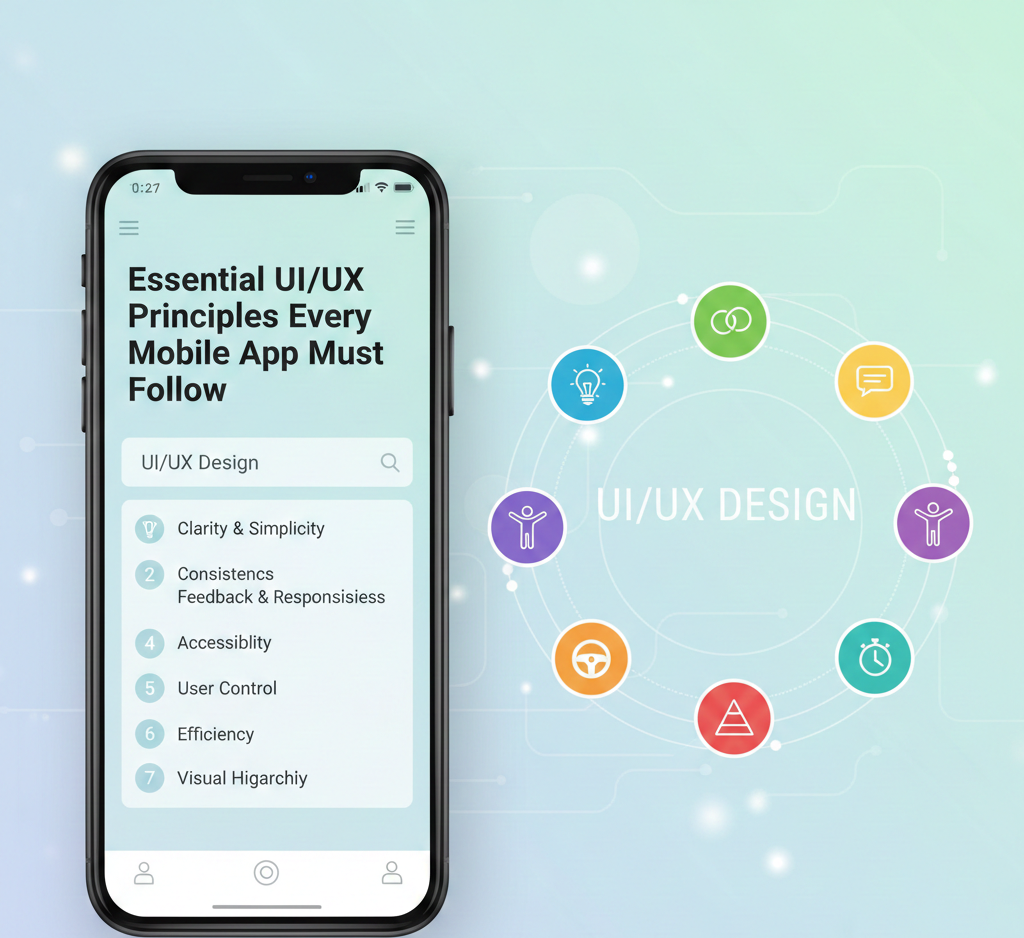
- Design: Creating wireframes and UI/UX (User Interface/User Experience) designs that ensure the app is user-friendly.
- Development: Writing the code for the app and integrating necessary features.
- Testing: Ensuring the app functions properly, is secure, and meets the intended requirements.
- Deployment: Releasing the app on the app stores or distributing it internally.
Different Types of Mobile Apps for Businesses
There are several types of mobile apps that businesses can develop to meet their needs:
- Native Apps: Built specifically for a particular operating system (iOS or Android).
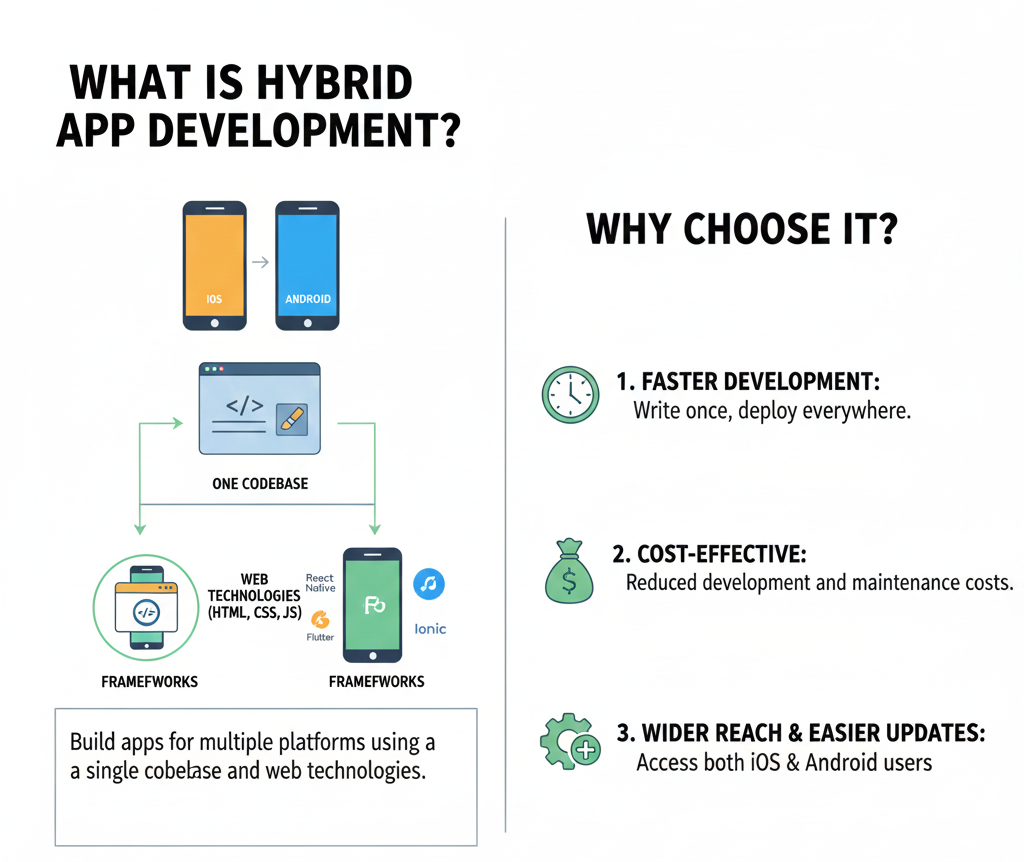
- Hybrid Apps: Cross-platform apps that work on multiple devices.
- Progressive Web Apps (PWAs): Apps that use web technologies to provide app-like experiences in a browser.
The Role of Mobile Apps in B2B Businesses
For B2B businesses, mobile apps serve multiple purposes. Whether it’s improving internal communication, streamlining workflows, or enhancing customer interactions, mobile apps have the potential to significantly increase business efficiency and profitability.
Why Mobile App Development is Crucial for B2B Success
Now that we have an understanding of what mobile app development is, let’s explore why it is so critical for B2B success. Here are some compelling reasons:
1. Improved Customer Engagement
Mobile apps provide B2B businesses with the opportunity to engage customers in ways that websites and traditional communication channels can’t. With push notifications, in-app messaging, and personalized features, businesses can create a more interactive and engaging experience for their clients and partners.
- Push Notifications: Instant notifications can be sent to inform customers about new products, updates, or promotions.
- In-App Messaging: Enables direct communication with clients or customers within the app itself, eliminating the need for external tools.
- Personalization: Customizing the app experience based on user behavior increases engagement and satisfaction.
2. Streamlined Internal Processes
For B2B businesses, mobile apps can be used internally to streamline communication, workflow, and project management. Mobile apps can help employees stay connected, collaborate more effectively, and access vital business resources on-the-go.
- Task Management: Employees can assign and track tasks in real-time, ensuring efficient workflow.
- Data Access: Mobile apps enable easy access to reports, analytics, and customer data, empowering employees to make informed decisions quickly.
- Collaboration Tools: Integrated messaging and collaboration features allow teams to work together, no matter where they are.
3. Boosted Productivity and Efficiency
Mobile apps can increase productivity by providing employees with the tools they need at their fingertips. Whether it’s through automated workflows, document management, or real-time updates, mobile apps keep employees productive even when they are away from the office.
For example, a sales team can use a mobile app to track leads, update client information, or close deals, all while on the move. This not only improves operational efficiency but also accelerates the sales cycle.
4. Competitive Advantage
In the highly competitive B2B market, having a well-developed mobile app can differentiate your business from others. It shows that your company is innovative and forward-thinking. Offering mobile apps for your B2B clients can add value to your services and improve your brand’s perception.
In fact, a recent study showed that 60% of consumers are more likely to purchase from a brand that has an app. The same logic applies to B2B companies. When your competitors are sticking to traditional methods, a mobile app allows you to offer a unique experience that sets you apart.
5. Real-Time Communication with Clients
Effective communication is vital in B2B relationships, and mobile apps provide a seamless way to stay in touch with clients. With real-time messaging, direct calls, and video conferencing features built into the app, businesses can maintain a closer connection with clients, improving relationships and increasing trust.
6. Improved Customer Support and Satisfaction
Providing excellent customer service is essential in the B2B sector. Mobile apps can help businesses offer exceptional customer support by integrating features such as live chat, FAQs, and support tickets, making it easier for clients to find answers or resolve issues quickly.
- 24/7 Support: Clients can access help anytime, improving their experience with your business.
- Live Chat Integration: Real-time assistance helps address issues quickly, leading to higher satisfaction.
7. Data-Driven Insights
Mobile apps collect a lot of valuable data on how users interact with them. This data can be used to make informed decisions that improve the business process, identify trends, and enhance the customer experience.
For instance, understanding which features users interact with the most can help businesses optimize their app and marketing strategies. App analytics can also identify bottlenecks or inefficiencies in workflows, enabling businesses to resolve them proactively.
Benefits of Mobile App Development for B2B Businesses
|
Benefit |
Description |
|
Improved Engagement |
Keep clients and customers engaged through notifications, messaging, and personalized features. |
|
Increased Productivity |
Allow employees to work efficiently by providing them with tools on-the-go. |
|
Enhanced Customer Support |
Provide 24/7 assistance and live support, making it easier for clients to get help. |
|
Data-Driven Insights |
Collect valuable data to improve the business process and make better decisions. |
|
Boosted Customer Retention |
Engage clients more effectively, increasing loyalty and retention rates. |
|
Competitive Advantage |
Stand out from competitors by offering a tech-forward, convenient mobile app experience. |
Statistics: The Growing Importance of Mobile Apps in B2B
Here’s a quick overview of the statistics that show the growing importance of mobile apps in B2B:
- 61% of business decision-makers prefer to work with companies that provide mobile solutions (Statista).
- 74% of B2B buyers use mobile devices to access content (HubSpot).
- Companies that adopt mobile apps for their operations see an average 30% increase in productivity (Source: Mobile App Development Statistics, 2023).
How BestoDesign Can Help with Mobile App Development
At BestoDesign, we specialize in creating mobile apps that not only meet your business goals but also exceed user expectations. We understand the importance of aligning design with functionality, ensuring that your app provides both a seamless user experience and robust performance.
Whether you’re looking to develop an internal business app or a customer-facing mobile solution, we’ve got you covered. Our team of expert developers and designers works closely with you to craft an app that aligns perfectly with your objectives and your users’ needs.
Key Mobile App Features We Focus On:
- User-Centric Design: Easy navigation, intuitive interface, and seamless experience for your users.
- Scalability: Building apps that grow with your business needs.
- Cross-Platform Compatibility: Ensuring your app works seamlessly on both iOS and Android devices.
- Security: Providing top-notch security features to protect your data and users.
Final Words: Embrace Mobile App Development for Long-Term B2B Success
In the rapidly evolving digital world, mobile apps are no longer just an option—they are a vital tool for B2B success. By improving communication, streamlining operations, and providing a better experience for your clients and employees, mobile apps can be the catalyst that propels your business forward.
At BestoDesign, a proud subsidiary of BestoSEO Solutions, we go beyond building websites—we craft engaging digital experiences tailored for growth. Born from the expertise of a leading SEO agency, we combine striking design with smart strategy to create user-centric websites that don’t just look great but drive real results.
Ready to take your B2B business to the next level? Let’s discuss how we can help you leverage the power of mobile app development. Get in touch today!
Call to Action: If you’re ready to build a cutting-edge mobile app for your B2B business, contact BestoDesign now. Let us help you bring your vision to life and drive real business results.
FAQ
1. What is mobile app development for B2B businesses?
Mobile app development for B2B involves creating custom applications designed to improve business operations, enhance client interactions, and streamline internal processes for business-to-business companies.
2. Why is mobile app development important for B2B companies?
Mobile apps help B2B companies engage clients more effectively, improve employee productivity, and gain valuable data insights. They also offer a competitive edge by allowing businesses to stay connected and operational in a mobile-first world.
3. How does mobile app development benefit B2B customer engagement?
Mobile apps enable real-time communication, personalized experiences, and push notifications, making it easier for B2B businesses to engage with clients and keep them informed about new updates, services, or promotions.
4. What are the key features of a B2B mobile app?
A successful B2B mobile app should include easy navigation, cross-platform compatibility, real-time data access, security features, and user-centric design to enhance both functionality and user experience.
5. How does mobile app development impact B2B productivity?
Mobile apps increase productivity by offering tools for on-the-go task management, document sharing, and real-time updates, enabling employees to stay efficient and collaborate effectively from anywhere.